
Green Upgrades & Property Risk: What Investors Need to Know
The UK property sector is undergoing one of its biggest transformations in decades. Environmental, Social, and Governance (ESG) considerations have moved from the edge of business planning straight to the heart of how we value buildings and assess risk.
What was once seen as a "corporate responsibility" checkbox is now a financial and operational necessity driven by regulatory pressure, shifting tenant expectations, and the undeniable realities of climate change.
Making buildings sustainable can lower bills and attract better tenants. However, new technology also brings new risks.
The Market Imperative
The market is sending a clear message: sustainable buildings are winning. A large majority of UK institutional investors now state that ESG performance directly influences which properties they choose to buy. In major hubs like London, green certified buildings are securing higher rental yields than non-certified peers.
Corporate tenants are now actively demanding sustainability clauses in their lease negotiations. This is no longer about looking good – it is about future proofing assets in a market where demand for sustainable, resilient space vastly outstrip supply.
Boosting Building Performance
Investing in ESG upgrades pays off directly in daily operations. Energy efficiency retrofits, like switching to LED lighting, added advanced insulation and installing smart heating and cooling systems, massively cut down energy consumption. This translates into major immediate operational savings per square foot.
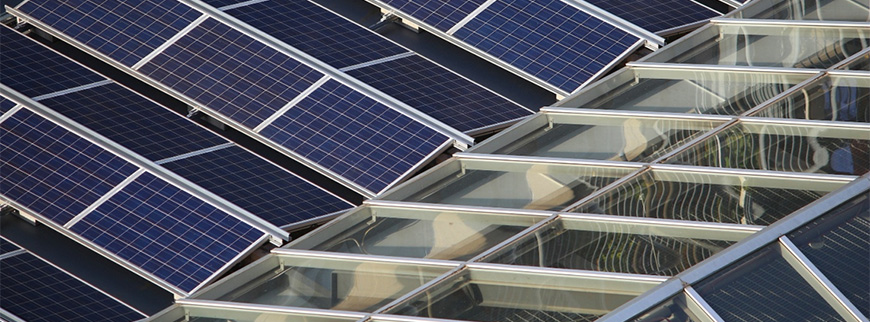
Adding renewable energy, particularly solar PV, can offset 15–25% of a building’s annual electricity demand, with typical payback periods of 6–8 years.
Beyond environmental benefits, wellbeing focused design incorporating natural light, air quality monitoring, and accessible layouts has been shown to reduce tenant turnover by up to 27%. This directly impacts net operating income and asset stability.
The Shifting Risk Landscape
The dangers of ignoring ESG are accelerating first across three distinct areas:
Regulatory & Asset Risk
On the Regulatory front the UK Minimum Energy Efficiency Standards (MEES) mandate that all rented commercial properties achieve an EPC rating of B or above by 2030. Without upgrades, a significant portion of current UK office stock risks becoming unlettable, creating stranded assets and valuation write-downs.
Market Risk
At the same time market risk is also intensifying. The so-called “brown discount” where non-ESG-compliant assets trade at lower valuations is now as high as 20% in prime markets. This is not a temporary trend; it reflects a structural repricing of risk.
Climate Risk
Additionally, climate risk adds another layer of urgency as a growing number of UK properties face high flood risk without adaptation measures. Heatwaves, storms, and water scarcity are no longer distant threats.
Strategic Implications for Owners and InvestorsThe winners in this new landscape will be those who act early and decisively:
- Proactive compliance: Early retrofits can be 30–40% cheaper than last-minute upgrades under regulatory deadlines.
- Data-led asset management: ESG performance tracking platforms can pinpoint underperforming assets, enabling targeted investment strategies.
- Capital advantage: Green-certified properties are more likely to secure green financing at interest rates 20–50 bps lower than standard loans, improving project IRR.
As an investor or landlord, it is vital to understand that ESG upgrades alter insurance requirements.
Evolving Technology
Installing solar panels, commercial battery storage or EV charging stations introduce new electrical and fire risks. Insurers have strict underwriting requirements for how these are installed and maintained.
Reinstatement Costs
Repairing or rebuilding a green certified property using sustainable materials often costs more than traditional methods. Failings to update your Sum Insured to reflect modern eco-materials to reflect modern eco-materials risks severe underinsurance.
Modern Methods of Construction (MMC)
Using sustainable materials like mass timber instead of concrete changes how insurers assess fire and water damage risks. It can sometimes make securing standard building insurance more complex.
The Bottom LineESG upgrades are a strategic necessity. The convergence of regulation, market demand, and climate realities means that inaction carries a growing financial penalty. The property market is dividing into two categories: future ready assets that thrive and stranded assets that fail to adapt and lose relevance.
Those who invest in ESG transformation today will not only protect asset value but also position themselves to capture the green premium — higher rents, stronger tenant retention, and enhanced liquidity. Proactive ESG integration reduces operational costs, mitigates the financial risks of brown discount and boos property valuations. To learn more about future-proofing real estate assets, contact our team today.


