
Five things changing high-value home insurance - and what they mean for you
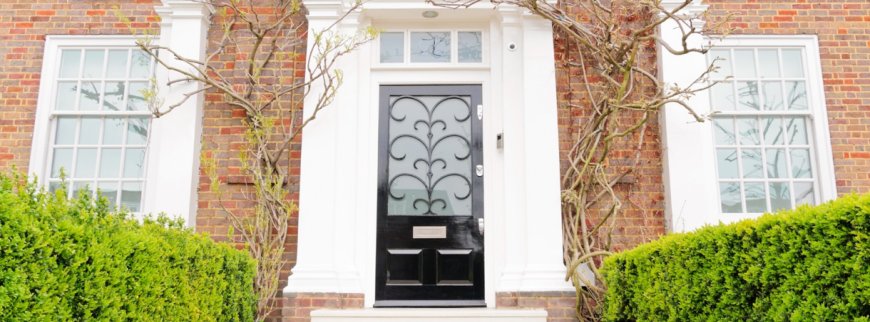
If you own a period, listed or architecturally distinctive home, the insurance market has shifted in ways that are easy to miss until it's time to make a claim. Here's what's changed, and how to make sure your cover still matches what you actually own.
Every renewal brings the same headline: premiums are up, insurers are pulling back, cover is harder to place. That's true across the market. But if you own a high-value or period home, these shifts affect you differently — and the gaps they leave are often invisible until you need to make a claim. Here's what's worth understanding, and checking, before your next renewal.
Your rebuild cost is probably higher than your policy assumesConstruction costs have risen sharply since 2020, and many buildings sums insured haven't kept pace — especially for listed buildings, period properties, and homes built with specialist materials that cost far more to reinstate than a standard new-build.
If you haven't had a formal rebuild valuation in the last few years, it's worth getting one. A RICS-level assessment, rather than a market value or an online calculator, gives you a much more accurate figure — and protects you from finding out the gap exists only after a total loss.
Government flood support may not extend to your homeSchemes designed to keep flood cover affordable typically focus on standard homes, and higher-value properties can fall outside their scope. If flood risk is a factor where you live, it's worth checking directly with your insurer what protection applies to your property, rather than assuming a general scheme covers you.
These arrangements also evolve over time, so it's worth revisiting the question periodically rather than assuming last year's answer still holds.
Subsidence and water damage are the claims to watchIncreasingly volatile wet-dry weather cycles are driving subsidence risk on clay soils, while escape of water — often from ageing pipework in second homes or during periods when a property is less occupied — remains one of the most common and costly claim types for larger properties.
Simple precautions make a real difference here: leak detection sensors, periodic property inspections, and keeping on top of tree and root management near the building. Many specialist policies now include support with exactly this kind of prevention — worth asking what's included in yours.
More options exist than most homeowners realiseAs standard insurers apply tighter criteria around flood zones, listed status and unoccupancy, a growing part of the market has developed specifically to cover complex, high-value homes — often with more accurate rebuild cover and fewer of the exclusions that come with a standard policy. If your current insurer has become more restrictive at renewal, it's rarely the only option available.
Worth exploring before a renewal becomes a decline.
Your most valuable possessions are easier to lose track of than your homeUnderinsurance in high-value homes rarely comes from one dramatic gap. It builds up in the accumulated value of everything inside the property. Art, jewellery and collections can shift in value independently of anything you've bought or done, sometimes sharply and without warning. Even everyday contents, furnishings, kitchenware, soft furnishings can carry far more value in a well-appointed home than most people realise.
If your valuables haven't been formally revalued in the last three to four years, it's worth doing, particularly for anything inherited or held for a long time, where the original value may bear little relation to today's.
Worth a conversationNone of these trends mean your cover is wrong but they're worth checking against. If it's been a while since a rebuild valuation or contents and valuables were reviewed, or if unsure how flood, subsidence or specialist market options apply to your home, it’s worth a conversation.
Disclaimer: The information provided in this article is for general informational and educational purposes only and does not constitute formal finance, legal or regulated insurance advice. Insurance coverage is subject to specific policy terms, conditions and exclusions and underwrite appetites.


